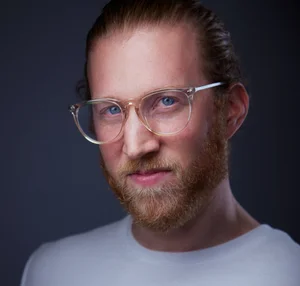
Yes, They Are Photogenic - But 5 Underrated Challenges of Corporate Headshots Are Causing Confusion
After hearing feedback from thousands of individuals about their headshot experience, one things is clear: most professionals don’t feel they are exactly photogenic.
So it’s worth taking a moment to revisit the idea shared earlier about grounding your clients, with 5 considerations most have not factored before taking the blame for their sub-optimal results in previous shoots.
Hi Resolution
Lighting
Crop
Background
Still Image
HI-RESOLUTION: A common misconception is that a “professional image” is created with a professional camera. That may be true, but it is not the link to a professional image. In reality, it’s the lighting. What the camera does is simply capture what’s there, in extreme detail.
So during a shoot, it’s important clients know they are looking at an unfinished image exposing detail far beyond what the human eye can detect in the real world.
LIGHTING: For a professional headshot, we don’t just take the photo in whatever lighting the room happens to offer, we create the lighting - to offer consistency, avoid nasty shadows, set a tone, etc. But this lighting is far from anything people experience in the real world, so prior to retouching, it can be pretty jarring for clients to see their headshot, captured on high resolution.
CROP: With all the detail, exposed under such unique lighting, it doesn’t help that we zoom in on their face, cropping out most of the body. It allows viewers to still see the person, read their expression, and understand the story created by image, but it also adds to the strangeness compared to how we see ourselves in the real world.
BACKGROUND: In the real world, we can look at someone right in the eye, but your eyes still notice a lot of information around them. In you were to “print” what your eyes take in while looking at someone like that, about 5-10% of the “print” would be a face, the rest would be body and environment.
Solid backgrounds serve an important function in headshots, but it means the viewer has nothing else to look at but the face, so any insecurities will seem that much more problematic to the viewer. Thankfully, tests have been run and it truly is only the subject who notices these things so harshly.
STILL FRAME: In the real world, things move. In the headshot, you are frozen in time, under bright lights, zoomed in, in high resolution, with no body. Under these conditions, the eye doesn’t take long to spot even the slightest distraction — a flyaway hair going over your eye, uneven blazers, crooked ties, awkward hair shapes, it goes on. In retouching, this effect is obvious because as soon as one distraction is refined, a new one pops out, and is why retouching is so important in creating the final high end look.
Corporate headshots can be incredibly powerful images, but they are created under conditions that don’t exist in the real world. High resolution, unique and exposing lighting, tight crops, minimal backgrounds, and a frozen moment all amplify scrutiny — for the subject and the photographer alike. So if you capture a fake smile, it doesn’t take a photographer’s eye to spot it.
After you have dialed in your lighting to be second nature, the focus shifts back to helping the client. Help them come out of their shell, help them understand how these five challenges manifest, whether they feel washed out because no saturation has been added back to the skin under bright white lights, or they are bothered by how the hair flows before you have been able to reshape it.
Ground your clients whenever you see them forgetting the realities of taking and reviewing unprocessed images.